

How Compound Interest Works Over Time
Break down the math behind compound interest. We'll show you how small regular deposits grow exponentially over decades.
Read MoreWhy starting early makes such a difference. We break down how a twenty-something's savings decisions impact their financial future.

Your twenties are full of firsts. First apartment, first real job, first time managing your own money. It's also the perfect time to build a savings habit that'll shape the next few decades. Here's the thing — it's not about how much you save right now. It's about starting.
Even small amounts matter more at this stage of life than you'd think. Time is your biggest advantage. Whether you can set aside fifty dollars a month or five hundred, the decisions you make now compound in ways that become impossible to replicate later. We're not talking about getting rich quick or making perfect investment choices. We're talking about understanding how your money works for you when you give it time to grow.
Save $100/month starting at 25, and by 65 you've contributed $48,000. With compound interest at a modest 6% annual return, that grows to roughly $200,000. Same $100/month starting at 35? You're looking at around $110,000 by 65. That's the difference time makes.
You don't need a six-figure salary to start saving. Most people in their twenties are just figuring out how to cover rent, food, and student loans. The key? Start somewhere, even if it's small.
Look at your budget honestly. Not what you think you should be spending — what you're actually spending. Track your expenses for a week. Coffee runs, streaming services, groceries, rent. Find one area where you're comfortable cutting back. Maybe it's two fewer restaurant meals per month. Maybe it's negotiating a better phone plan. That's your starting point.
Set up automatic transfers. The best savings habit is the one that happens without you thinking about it. Even twenty dollars transferred automatically each payday adds up. You'll adjust to it faster than you'd expect. After three months, you won't even notice it's gone.

Before you think about long-term investing or big financial goals, you need a buffer. An emergency fund is boring, unglamorous, and absolutely essential. This isn't about getting rich. It's about not going backward when life happens.
Aim for $1,000 first. That covers most unexpected expenses — a car repair, dental work, or a last-minute flight home. Once you hit that, keep building toward 3-6 months of living expenses. Your age is an advantage here. You probably spend less than someone supporting a family will, so that number isn't as intimidating as it sounds.
Keep this money in a separate savings account. Not checking. Not invested in stocks. An actual savings account where you can access it quickly if you need it. It'll earn a little interest in a high-yield savings account, and you won't be tempted to spend it on something that isn't an emergency.
Deepen your understanding of long-term savings and compound growth.
Break down the math behind compound interest. We'll show you how small regular deposits grow exponentially over decades.
Read More
Step-by-step approach to creating a savings strategy that fits your family's budget and goals realistically.
Read More
Why you need both an emergency fund and long-term savings. Learn how to balance immediate security with future growth.
Read MoreCompound interest sounds complicated, but it's actually straightforward. You earn interest on your money. Then you earn interest on that interest. Then that grows too. It's a snowball effect, and it works best when you start early and give it time.
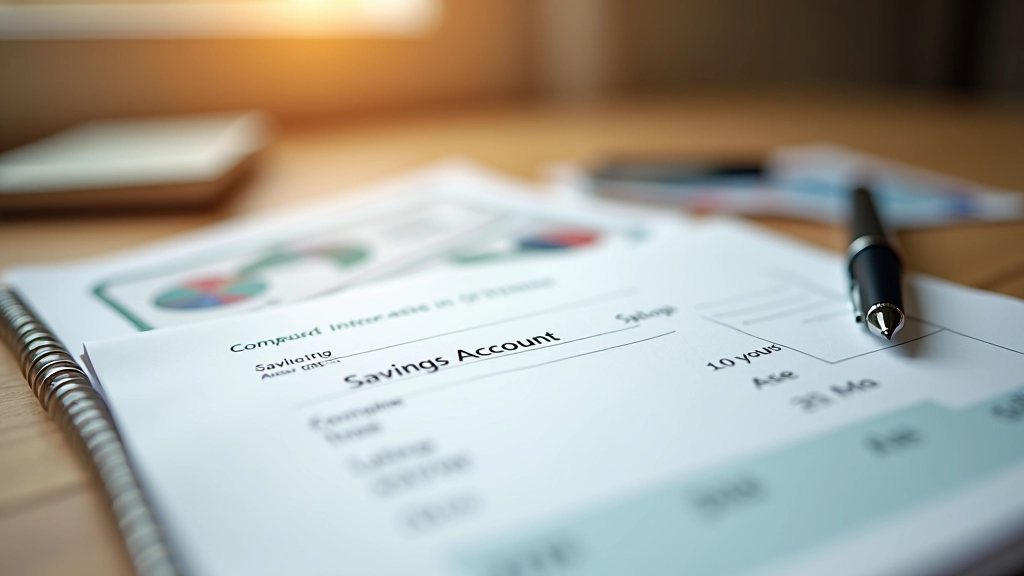
Let's say you save $100 a month in a savings account earning 4% annual interest. After one year, you've contributed $1,200 and earned maybe $24 in interest. Not thrilling. But after ten years? You've contributed $12,000 and earned closer to $2,900 in interest. After twenty years, that $24,000 in contributions has grown to roughly $33,000. The longer the money sits, the more those extra dollars compound.
This is why your twenties matter. You've got 40+ years until retirement. That's not some abstract concept. That's real time for your money to work for you. Small amounts now become substantial amounts later.


The biggest mistake isn't failing to save the perfect amount. It's not saving at all because you're waiting for things to be perfect. You're waiting for a better job, a higher salary, a "right time" that never comes. Start now with what you have.
Second mistake: mixing emergency savings with long-term savings. Keep them separate. Your emergency fund should be boring and accessible. Your long-term savings can eventually go into investments where they're less liquid but grow faster. They serve different purposes and shouldn't be treated the same way.
Third: treating savings like a punishment. You're not depriving yourself. You're protecting yourself. You're buying your future self options and security. That's not sacrifice. That's smart.

About the Author
Editorial Team
Written by the GrowthPath Savings Editorial Team, focused on clear, practical guidance for understanding long-term savings and compound growth.
Starting your savings journey in your twenties doesn't require a perfect plan or a huge income. It requires three things: honesty about your current spending, a realistic goal you can stick to, and patience. Time compounds. That's not a marketing slogan. That's math.
This month, set up that automatic transfer. Pick an amount you won't miss. Watch it happen without thinking about it. In six months, you'll have a small but real emergency cushion. In five years, you'll have thousands. In thirty years, you'll have options that younger versions of you couldn't imagine.
The best time to start saving was twenty years ago. The second best time is right now. You've got this.
This article is provided for educational purposes only and should not be considered financial advice. Savings strategies, interest rates, and investment approaches vary based on your personal circumstances, income, and financial goals. Interest rate examples used are illustrative and may not reflect current rates offered by financial institutions. Everyone's financial situation is different. Before making savings or investment decisions, consider consulting with a qualified financial advisor who can review your specific circumstances. Past performance and historical examples do not guarantee future results.